ICYMI: Newsweek: Inside DNC Chair Ken Martin’s Plan To Turn Democratic Momentum Into Power
February 17, 2026
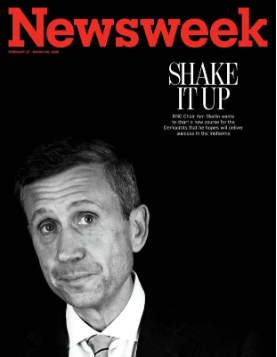
Key Point: “Martin’s job is ensuring the right combination of resources and strategy translates into November victories that actually shift power. And he ascended to his current position by promising to invest in the Democratic state parties to rebuild the Democratic Party’s organizing infrastructure across the country. His pitch: The special election streak isn’t luck or Trump backlash—it’s proof that his strategy works.”
Newsweek: Inside DNC Chair Ken Martin’s Plan To Turn Democratic Momentum Into Power
By Alex Rouhandeh
- Martin’s vision rests on three interconnected pillars, all designed to reverse what he sees as decades of Democratic infrastructure decay. The first is year-round infrastructure.
- … Martin inherited a party on the ropes when he took the position of DFL chair in 2011. The Democratic governor had just won by only half a percentage point; Republicans had taken control of both chambers of the Minnesota Legislature. Under Martin’s tenure, the Democrats went 25-0 in statewide elections. They currently control the state Senate and are tied with Republicans for control of the House. Perhaps most consequentially, Martin pulled the DFL out from over $700,000 in debt.
- “Under his leadership, the party in Minnesota became the engine for a year-round organizing strategy for Democrats in the state that made a big difference,” U.S. Senator Tina Smith of Minnesota, whose rise in Minnesota politics coincided with Martin’s tenure, told Newsweek. “We figured out how to field candidates in every part of the state and then support those candidates.”
- “The DNC has put more of their energy into state party building, which is crucial,” U.S. Senator Elizabeth Warren of Massachusetts told Newsweek. “We’ve got a lot of fighters at the federal level, but we win or lose races precinct by precinct.”
- The second pillar of Martin’s vision is down-ballot investment. Last year’s governor race wins for Democrats in the blue states of New Jersey and Virginia were no doubt important to Martin. However, it’s the Louisiana and Texas wins, two state senate pick-ups in Mississippi that broke the Republicans’ six-year supermajority, the retention of three liberal-aligned Pennsylvania Supreme Court Justices, and two Georgia Public Service Commission victories that represented Democrats’ first non-federal statewide victory in Georgia in nearly 20 years which illustrate the potential his strategy has to expand Democratic competitiveness.
- The third pillar of his vision is grassroots organizing over consultant-driven campaigns. Reasoning behind these efforts stems partly from Martin’s belief that to win, Democrats must meet voters where they’re at and connect with them through unconventional means.
- Democrats are going to have to do more than simply run against Trump, he argues: “If all we do is resist Donald Trump, we’re not going to win because it won’t give the American people a sense of who we are, what we’re fighting for and, frankly, an alternative, a sense of what we would do different than Donald Trump’s doing right now to actually improve their lives… You’ve got to build the infrastructure to do that, to have those conversations, to actually connect with voters.”
- “I came to D.C. to make changes because I, like many people, [was] very frustrated with the Democratic Party for years,” he said. “I will never think of myself as an insider, to be honest with you, just the opposite.” He added, “I came here to obviously make changes and to make sure that we win again—and win in a way that’s both durable and long lasting and helps us build power for working people in this country.”
- “Most Americans don’t know who I am, and that’s OK,” he said. “They don’t know who their political leaders are, but one thing they do know is that the actions of politicians can have a huge impact on their lives, either to help improve their lives or to make their lives much more difficult to live. So, for us, over the last year and certainly as we go into this year, the critical role is to make sure we’re building trust with them around the issues they care about and are giving them hope.”